By JA Transportation & Warehousing ·
Picking the right truck keeps your cost down and your delivery smooth. Too small and you need two trips; too big and you're paying to move air. Here's a plain guide to the three sizes we run.
16 ft box truck
The city workhorse. Best for small loads, furniture, a few pallets, and deliveries into tight streets or locations without a dock. Easy to park, quick to load.
26 ft box truck
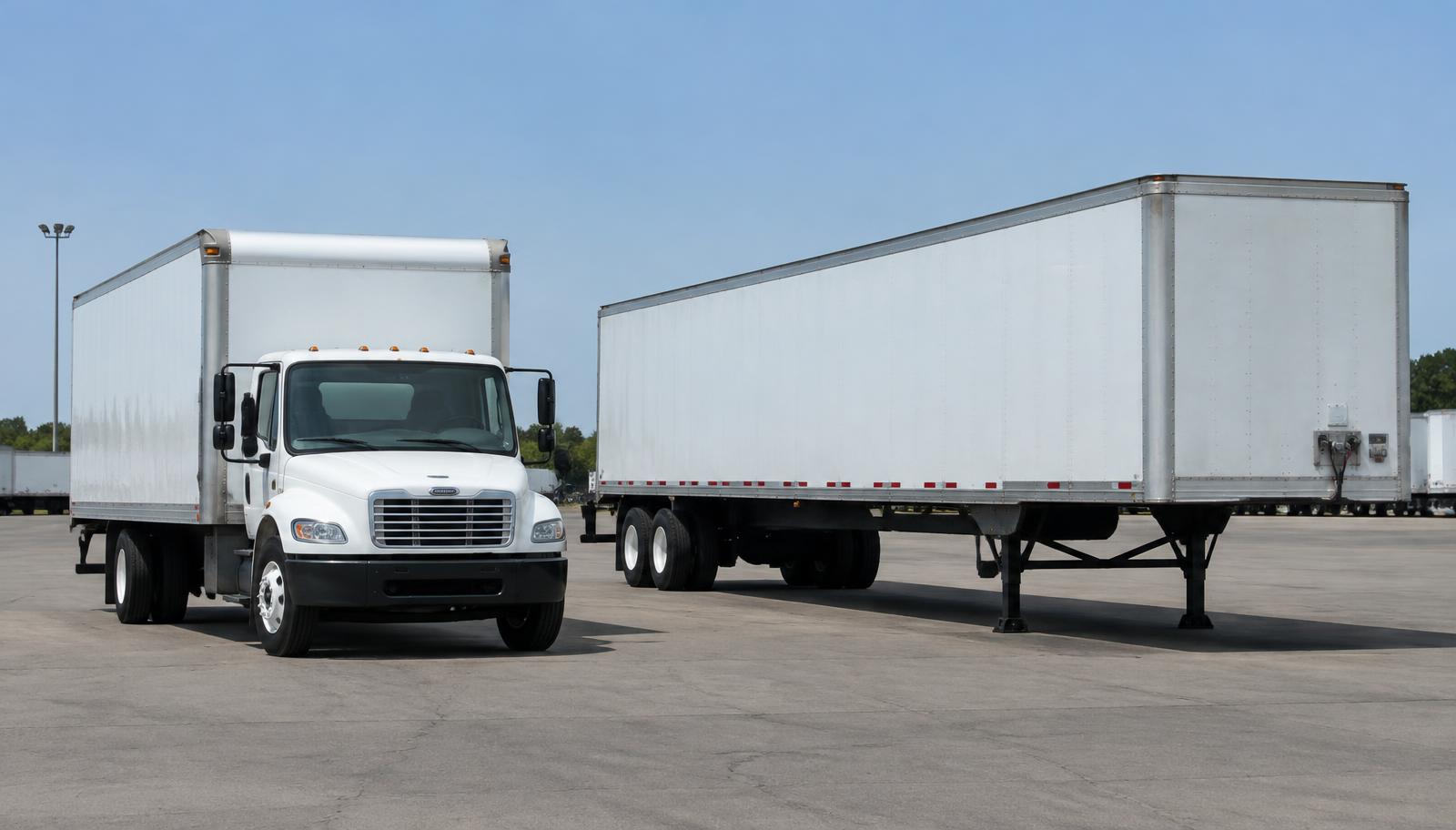
The middle ground for larger local and regional loads — a bigger pallet count, bulkier items, or a route with several stops. Still manageable in most commercial areas.
53 ft dry van
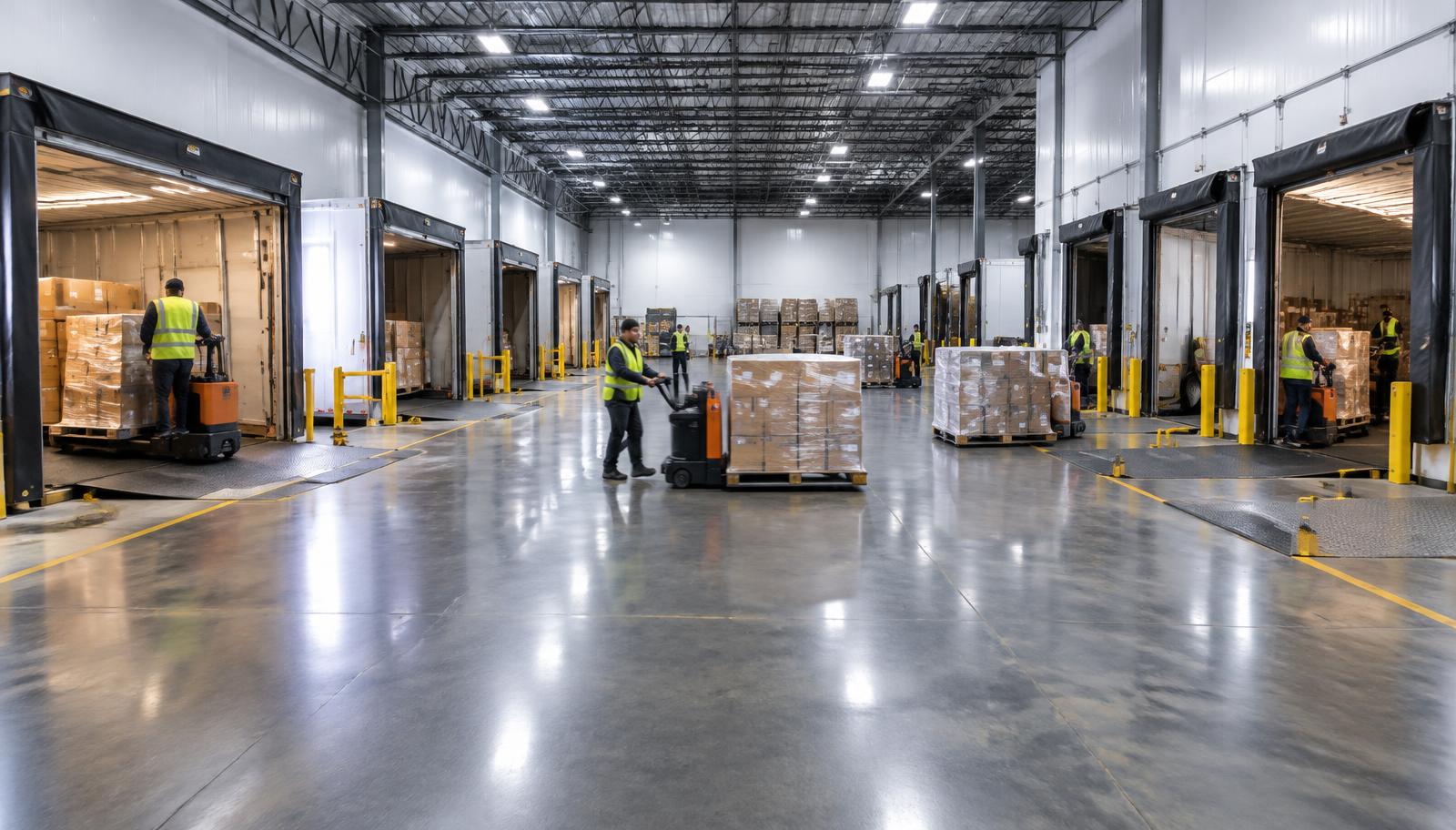
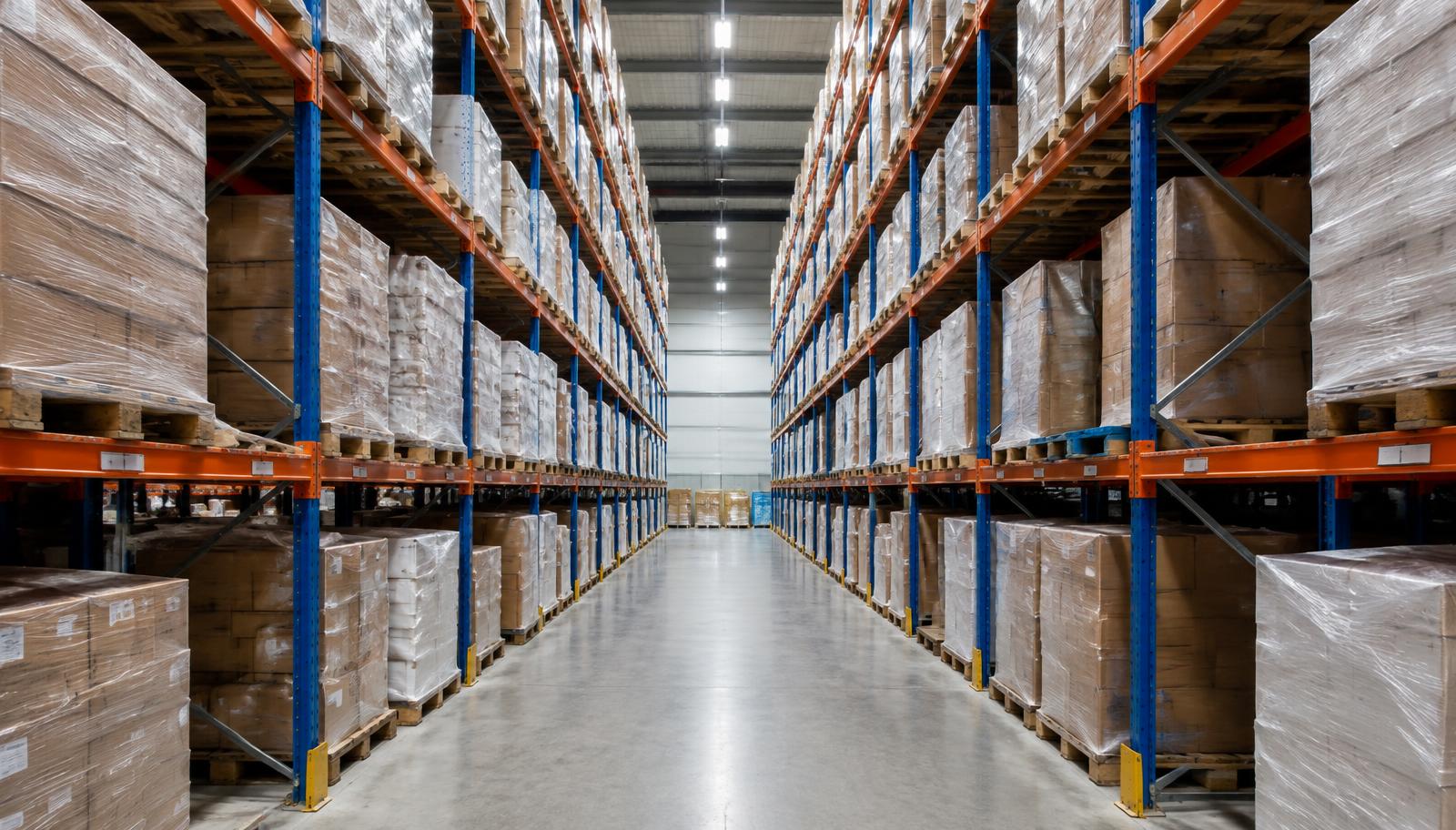
The full-size trailer for truckloads, linehaul, and long-distance runs. This is what moves between warehouses, distribution centers, and cross-dock facilities — including our cross-docking operation in Philadelphia.
One thing that matters more than size
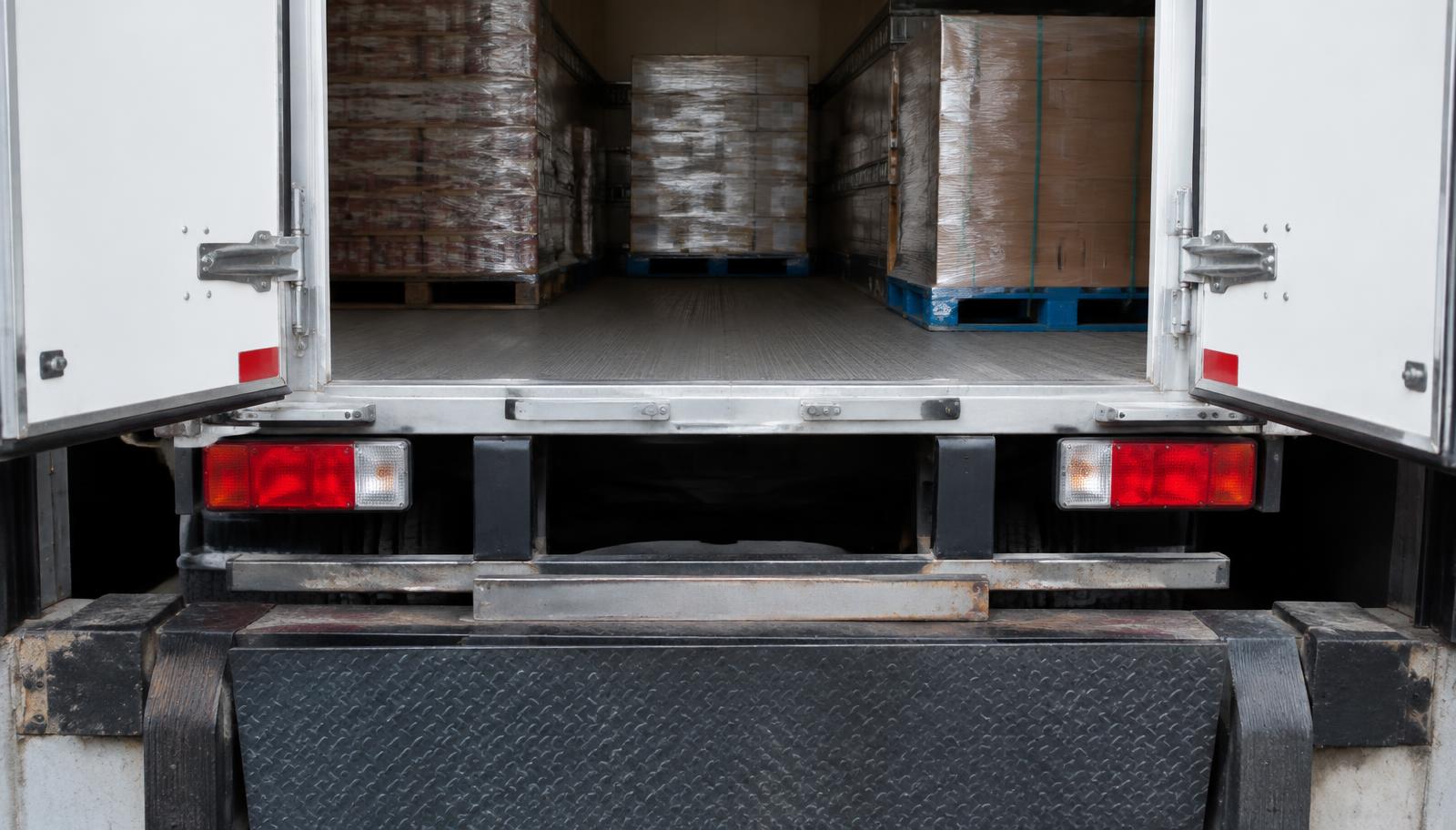
Liftgates. Not every truck has one, and if the delivery location has no dock and no forklift, a liftgate is the difference between a smooth delivery and a refused one. Always mention it when you request a quote — we'll match the equipment.
Not sure which fits? Send us the pallet count, rough weight, and the pickup and delivery ZIP codes through our ZIP checker, and dispatch will recommend the right truck.